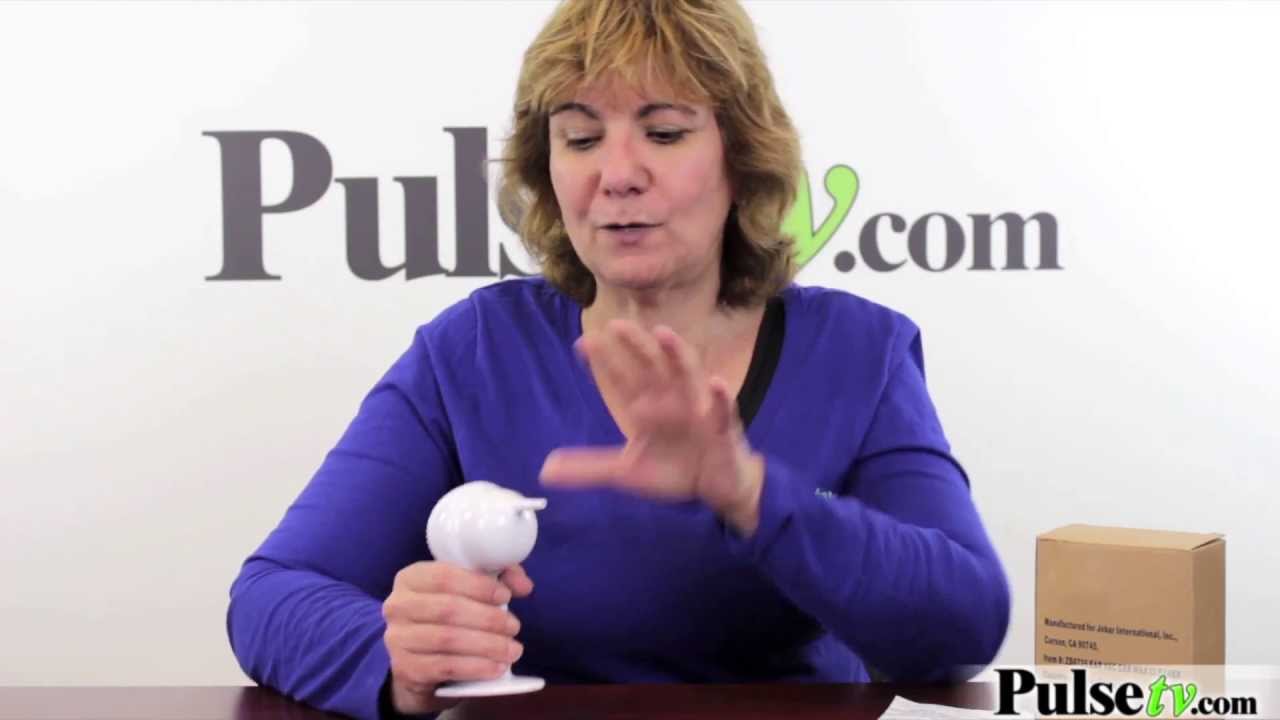
Ear Vac Earwax Cleaner
http://pulsetv.com/emailpromotion.asp?key=YOUTUBE&dest=http://www2.pulsetv.com/prodinfo.asp?number=6208
Ear Vac Earwax Cleaner is the safe and hygienic way to remove wax and dry your ears. Quiet and cordless, the Ear Vac's gentle suction is safer and more effective than cotton swabs. The Ear Vac will effectively remove dirt particles and moisture from the ear.
What Tiling Tools Will I Need?
The tools required for a tiling project can be many. This depends on the type of work involved, the tile type and preparation method.
Here is a list detailing the tools and their purpose in the job.
For a small kitchen wall tiling you would likely need:
Dust sheets. Dust sheets can save you a tremendous amount of money in avoiding damage to surfaces such as worktops and soft floor coverings, especially natural wood worktops, as these can be scratched easily and are prone to staining (especially if these have not been sealed yet).
Paintbrush. The paint brush is for the application of tile primer (not always required). Although a mini roller can also be used, for small areas, with obstacles like electric sockets in the way, I find the brush a better candidate. Do make sure to watch for primer runs! This can be very dangerous if the liquid gets in contact with the electrical sockets. Always SWITCH THE ELECTRICITY OFF BEFORE YOU START. Even if the electricity is off, you must avoid or minimise runs.
Manual tile cutter. The type of cutter required depends greatly on the type and thickness of tiles to be installed. You can purchase some very cheap (disposable) tile cutters out there, and many manufactures will tell you that it will cope with a certain amount of tile thickness. A long time has passed since the advice of using a matchstick to break tiles. Not many companies still produce very thin tiles; instead, because the demand is for larger tiles, the tile thickness has to change accordingly in order to give it strength.
For thin ceramic tiles up to 6 mm thick, most plastic cutters will cope and should see the job through. Thicker tiles, like floor tiles, porcelain tiles, glass tiles, would be better cut using a metal or alloy built cutter. The cost of these cutters will increase considerably from the plastic ones, but these should cope with a wider range of tiles. Take care when choosing a manual cutter; buy one that will be compatible with the tile size you intend to use it with. Your cutter will be useless if the tiles you intend to use fit in it when cut at 90° but not if you intend on having a feature cut at 45°.
Tile nippers. There are a few different tile nippers on the market; each one is best suited to matched tiles types and applications. ALWAYS WEAR EYE PROTECTION WHEN USING TILE NIPPERS.
The standard and most used tile nipper is the one with the flat 90° cutting edge. It is generally used to cut and shape the tiles. Generally used, it is not really suitable for cutting mosaics as these will shatter the tiles. The cutting edge is usually made from tungsten carbide with some nippers having an extra hard tip which is more suitable for some porcelain tiles. Bigger nippers are also available for use with quarry tiles; these have wider jaws than the standard ones and a longer handle for more leverage/pressure.
Other types include a parrot nipper and a mosaic nipper. The parrot nipper or nibbler is very useful for nibbling a section of tile such as when enlarging a hole or more intricate cuts with the cutting end resembling a parrot's beak. The mosaic nippers have slightly round jaws and are designed to give a straighter cut.
The wheeled nippers are also great for mosaics. There are other nippers that have other features like the inline cutting nipper, with a slight curvature on the cutting edge which will facilitate cutting curved shapes. Dual use nippers allow you to score the tiles with one side and to split them with the opposite side but will not allow tile shaping. Another one for mosaic use has a small bag attached on one side. This will capture the cut mosaic reducing lost time wasting in trying to find small pieces that can fly out in the room.
Be aware of the nippers pinching the side of your thumb. This often happens if you haven't used this tool before. Many tilers I know have all been receiving this little bite from the tool. If someone gets pinched once it is very unlikely he/she will get pinched again, because he/she will remember it! 😉
Screw driver. Usually a small to medium flat head screwdriver is needed for loosening the electrical points screws, although it can be better using a small and slow electric screwdriver as some screws are really long. This is a very useful and time saving tool especially as in some kitchens you can find more than 8 sockets.
Water cooled diamond cutter (wear ear defenders). This tool is a must have when you need to cut around objects or very small strips of tiles.
Make sure to protect the surrounding area for water splashing and tile chipping. Do make sure to use an electric circuit breaker as you are dealing with a potentially dangerous environment.
Hammer, nails and batten. These will be needed if you need to bridge the gap in between base units (where the free-standing cooker fits in to.
Pencil and tile marker. The pencil is mainly to mark the level or plumb line for your tile guide and the tile marker is a better and more visible way of marking tiles, especially if the glaze is really smooth as some pencils will not mark some tiles easily.
Tile markers are really great for use on polished marbles and granites and it won't come off when wet by the water cooled cutter.
600 mm spirit level or laser level. This is needed for making sure to have level and plumb tiling, to check the worktop, bottom of cupboards and to mark the centre line above the cooker (if applicable).
The laser level is more useful (some times a must) if there are obstacles in the way, which makes it impossible to use the spirit level.
Fine toothed hacksaw. This is needed for cutting the batten and if used, tile trims. If tile trims are installed then you will require a mitre box too.
Tape measure.
Spreading and mixing trowels. It is important to use the correct adhesive spreader depth and type. There are several variables that will determine the type of spreader needed for the job in hand. Things to consider are:
Tile type, tile size, tile thickness, tile background, surface to be tiled, interior or exterior location, domestic or communal application, adhesive type and even temperature condition. Your tile store should give you some advice according these variables. If in doubt contact the adhesive supplier technical department.
When buying a mixing trowel, get one that has a flat end and not a pointed one as you will be able to scoop the mixed material in more quantity.
Grout floats (squeegee) or spatula. This is for applying the grout or cement in the tile joints. These tools have a very limited life span, sometimes only lasting one job (depending on the tile texture). For a better job my advice is to get the float as you can work the grouting in a lot quicker and with less mess.
Masking tape. Very handy for when applying a tile cut above an electric socket (to stop it from sliding down inside the socket). Or when tiling above a window.
2 clean buckets and a sponge. One for the grout and one for clean water.
Clean cloth. Dusting of grout residue off the tiles and adjacent surroundings.
Dust mask.
Protective goggles.
Rubber or latex gloves.
Silicone applicator.
Dustpan and brush.
Tools for floor tiling.
If you need to tile a floor on a cement base, then you will need many of the above tools, plus:
Possibly a different size manual and electric tile cutter (to accommodate different tile sizes).
Straight edge for lining up the tiles.
Rubber hammer. For helping bed some tiles.
Chalk line or Laser level for marking a starting point.
Square, knee pads, dust mask, broom.
Saw for cutting architrave. If you have lots of architrave to cut, then you might want to invest on a Multimaster.
This multi versatile tool has many uses, including special kits for plumbing, tiling and carpentry. Also great for many jobs around the home and hobbies.
Electric extension lead (with an RCD circuit breaker).
Suction pads. For help lifting, carrying and even adjusting larger tiles during installation.
If you need to tile a floor on wood with the need of an overlay, then you will also need some carpenter's tools to cut and install plywood or other overlay types. These are:
Jigsaw or hand saw.
Work bench.
Clamps.
Electric drill / screwdriver (buy a decent one with good torque and long battery life).
Circular saw.
Vacuum cleaner.
The list may continue depending on the floor preparation required.
If the project is a one off, then it may be better to hire some of the more expensive tools. If that's the case, do make sure that you get full instructions on how to operate them.
Before using power tools, always read the instruction manuals that accompany that tool and apply any safety protection needed.


I find the discussion around personal hygiene technology, such as the Ear Vac Earwax Cleaner, to be quite intriguing, particularly in how it contrasts with traditional methods like cotton swabs. The emphasis on safety and efficiency in this device reminds me of a broader trend we see in many health and wellness products today—moving towards more hygienic and user-friendly solutions.
You make a great point about the shift towards more hygienic and user-friendly solutions. The convenience and appeal of devices like the Ear Vac really highlight how technology can enhance our everyday routines. Many people aren’t aware that traditional methods, like cotton swabs, can sometimes do more harm than good, pushing wax deeper rather than removing it. It’s refreshing to see innovations that prioritize safety while also addressing common health concerns.
It’s interesting to consider how personal hygiene technology is evolving. The Ear Vac Earwax Cleaner represents a shift toward prioritizing safety and convenience, which resonates with many people looking for reliable alternatives to traditional methods like cotton swabs.
You bring up a great point about the shift toward safety and convenience. The Ear Vac is a prime example of how innovation can create a more reliable alternative to cotton swabs, which, as we know, can sometimes do more harm than good. It’s interesting to think about how people are more open to adopting tech solutions in their personal care routines.
You raise an interesting perspective on the Ear Vac and the shift toward tech in personal care. It’s true that cotton swabs have been a long-standing staple, despite the increasing awareness of the potential risks associated with their use. I’ve noticed that, as we become more health-conscious, there’s a growing desire to explore safer alternatives—whether it’s in ear care or other areas like skincare and dental health.
You make a compelling point about the shift toward tech in personal care and the ongoing debate surrounding traditional methods like cotton swabs. It’s interesting how our collective awareness is evolving, especially as we become more informed about potential risks. I recently came across an article discussing how a lot of people are opting for tools like the Ear Vac not just for safety, but also for the convenience they offer.
You’ve nailed it! The shift in personal hygiene technology really is fascinating, and products like the Ear Vac Earwax Cleaner definitely highlight a growing awareness around safety and convenience. It’s about time we had something that respects our health while making things easier. If you think about it, people have been using cotton swabs for ages, often without considering the potential risks. So, finding a reliable alternative that’s not just a gimmick but actually works is pretty refreshing.
The evolution of personal hygiene technology is pretty fascinating, isn’t it? The Ear Vac definitely taps into a growing desire for safer and more convenient options. Many of us have relied on cotton swabs for years, but they often come with risks that we didn’t really think about.
You bring up a really interesting point about personal hygiene technology and the shift toward safer, more efficient solutions. The Ear Vac Earwax Cleaner is definitely a step away from the old-school cotton swabs, which, as we know, often do more harm than good. It’s fascinating how much we’re learning about our bodies and how we care for them.
You make a great point about the shift in personal hygiene technology. The Ear Vac Earwax Cleaner really does seem like a logical progression from traditional cotton swabs. It’s interesting to consider how our understanding of health and wellness evolves alongside technology. I’ve read that misconceptions about earwax and ear cleaning are quite common, and so many people still cling to actions that might be harmful.
It’s really intriguing how advancements in personal care, like the Ear Vac, parallel the evolving perceptions around hearing aids and how they shape our understanding of health and wellness.
‘Hearing Aids: Shaping Cultural Perspectives Worldwide’
https://www.microsuctionsurgery.com/2025/08/health-wellness/hearing-devices/hearing-aids-shaping-cultural-perspectives-worldwide/.
You’ve really hit on something important with the shift in how we approach personal hygiene tech. It’s true that we’ve relied on cotton swabs for so long, thinking they were the go-to solution. But studies have shown that they can actually push earwax further in rather than getting rid of it, which is a bit counterproductive if you think about it. The Ear Vac does feel like a much smarter alternative and offers that cleanliness without the risks associated with traditional methods.
I appreciate your thoughts on the Ear Vac Earwax Cleaner! It really does present a fascinating shift in how we think about personal hygiene, especially when you consider just how long cotton swabs have been the go-to tool for ear cleaning. It’s kind of wild to think about how often we default to these traditional methods without considering the potential risks involved—like pushing wax further into the ear canal or even causing injury.
It’s interesting to think about how ingrained cotton swabs have become in our daily routines. They really do seem like a quick fix for cleaning our ears, but you’re right about the potential risks we often overlook. Many people don’t realize that using a cotton swab can push earwax deeper into the canal, which could lead to blockages or even infections over time.
You bring up a really interesting point about our reliance on cotton swabs. It’s funny how ingrained some of these habits are in our routines. I remember my parents always saying, “Just be gentle,” when I was using them, but they never really discussed the potential downsides. It’s amazing how something so commonplace can come with such risks.
I found an interesting piece that dives deeper into the evolution of ear cleaning tools, discussing how suction devices are changing the game in personal hygiene, much like the Ear Vac you mentioned.
‘Ear Cleaning Tools Suction’
https://www.microsuctionsurgery.com/2016/01/entertainment-media/ear-cleaning-tools-suction/.
I found your blog post really interesting, especially the part about the Ear Vac Earwax Cleaner. I’ve often heard mixed opinions about different methods of ear cleaning. Some people swear by cotton swabs, while others are skeptical about their safety. The idea of using gentle suction instead really appeals to me. It’s fascinating to think about how technology has changed even the simplest healthcare routines we often take for granted.
I’m glad you found the post interesting. The debate around ear cleaning methods can get pretty heated. Cotton swabs seem convenient, but many aren’t aware of the risks they pose, like pushing wax deeper or even causing damage to the ear canal. Gentle suction like the Ear Vac offers a different approach, which can feel more reassuring for those worried about safety.
It’s great to hear that you found the post engaging! The debate around ear cleaning methods is truly interesting. Cotton swabs have been a staple for many, but they can easily push wax further into the ear canal, which might lead to problems. That’s why alternatives like the Ear Vac are gaining traction. The gentle suction approach not only sounds appealing, but it can be more effective in clearing out earwax without the drawbacks associated with cotton swabs.
It’s really fascinating how ear cleaning has become such a hot topic, isn’t it? You’re right about cotton swabs being a go-to for so many people, and it’s interesting to think about how they’ve been part of our routines for years. But as you pointed out, they do have their downsides. It’s almost counterintuitive that something we use to clean can sometimes create more problems by pushing wax deeper into the ear canal.
I really appreciate your perspective on ear cleaning; it’s definitely one of those topics that can spark a lot of debate. The ongoing conversation about cotton swabs and their safety is interesting, especially considering how many people have used them for ages without a second thought. It’s almost like a rite of passage for some, but I always found that a bit concerning given the potential for causing damage.
It’s really interesting to hear your thoughts on ear cleaning techniques. The debate over cotton swabs versus other methods has been around for ages. While many people think they’re doing a good job with swabs, there’s a lot of evidence suggesting they can actually push wax deeper or even cause damage. The idea of gentle suction, like with the Ear Vac, seems appealing because it’s designed to address the problem without the risks associated with more traditional methods.
It’s interesting to see how technology is evolving in even the most personal care products like the Ear Vac Earwax Cleaner. I’m curious about the effectiveness and safety of using suction for ear cleaning compared to traditional methods. Given that ear health is often overlooked, especially with the mix of cotton swabs being deemed harmful, products like this might encourage more people to prioritize their ear hygiene responsibly.
You bring up a great point about how technology is making its way into even the most intimate aspects of personal care. The Ear Vac Earwax Cleaner certainly raises interesting questions about the balance between innovation and traditional methods. Many people have been warned against using cotton swabs, which can sometimes push wax further in rather than cleaning it out. This shift might help people think twice about their ear hygiene.
You’ve nailed it with the point about balancing innovation and tradition. It’s interesting to watch how we’re shifting our approach to things like ear hygiene. The fear of cotton swabs is valid—many people don’t realize they can make the situation worse. The Ear Vac brings a refreshing option, but it’s also a reminder to educate ourselves on how our bodies work. It’s not just about having the latest gadget; it’s about finding the right method that respects our natural processes. That’s what it all comes down to, isn’t it? A little bit of innovation alongside a healthy respect for good practices can go a long way in personal care.
It’s interesting to see how products like the Ear Vac Earwax Cleaner are evolving to provide safer alternatives for personal hygiene. The gentle suction mechanism stands out, particularly considering the ongoing debate around the dangers of using cotton swabs. We’ve all been cautioned about pushing wax deeper into the ear canal, which can lead to complications.
You bring up a crucial point about the evolution of personal hygiene products like the Ear Vac Earwax Cleaner, especially in light of the long-standing debates around the use of cotton swabs. The gentle suction mechanism is a fascinating aspect, and it’s interesting to consider how a gadget like this can shift our approach to ear care.
You bring up a great point about the evolution of personal hygiene products like the Ear Vac Earwax Cleaner. The gentle suction mechanism really is a game changer, especially with all the warnings we’ve heard about cotton swabs. Who knew something as simple as cleaning our ears could be such a delicate task? Using traditional methods often just pushes wax deeper into the canal, which sounds like a recipe for trouble.
You’ve highlighted a really interesting aspect of personal hygiene that often doesn’t get much attention. The shift toward gentle suction devices, like the Ear Vac Earwax Cleaner, is definitely a response to the concerns surrounding traditional methods, which many of us grew up thinking were perfectly fine. It’s a bit surprising to realize how intricate the ear cleaning process can be, right?
It’s interesting to see how tools designed for personal care, like the Ear Vac Earwax Cleaner, tap into our growing desire for safety and hygiene. The shift away from traditional methods, like cotton swabs, speaks volumes about our evolving understanding of health and well-being.
You’re spot on with that observation! It’s almost as if we’ve had a collective wake-up call about ear care—like, “Wait a minute, are we really shoving cotton swabs in our ears?” The idea of embracing tools like the Ear Vac shows just how seriously we’re taking personal hygiene these days. Who knew earwax could spark such a revolution?
It’s interesting how something as simple as ear care can turn into a topic of discussion that really reflects our changing attitudes toward health and hygiene. I completely agree—it feels like we’ve collectively re-evaluated our habits, and that’s a positive shift.
It’s interesting to see how much awareness is growing around ear hygiene—if you’re curious about how earwax affects our hearing, there’s some great info that dives into the impact of blockage and the need for better care.
‘Earwax Blockage: Understanding Its Impact on Hearing’
https://www.microsuctionsurgery.com/2025/07/entertainment-media/earwax-blockage-understanding-its-impact-on-hearing/.
You’ve touched on something really fascinating—the way we think about ear care has certainly evolved. It’s easy to overlook something as commonplace as ear hygiene, but when we start to connect it to our overall health, it opens up a much broader conversation. We’ve all had those moments when a simple issue, like earwax buildup, affects our daily life. It’s not just about comfort; it can genuinely influence how we experience sound and interact with the world around us.
You’ve touched on a key point about our changing relationship with health habits. The shift away from cotton swabs isn’t just about hygiene; it’s also about embracing tools that prioritize safety and function. Traditional methods haven’t kept pace with the growing body of research highlighting the risks of earwax removal. It’s fascinating to see how products like the Ear Vac tap into this shift, offering a cleaner, more effective alternative while addressing our innate concerns about health.
You’ve touched on a really important point about the shift in how we approach personal care. The popularity of tools like the Ear Vac Earwax Cleaner really highlights a broader trend towards prioritizing safety and hygiene in our daily routines. For many people, there’s a growing awareness of how practices that once seemed harmless, like using cotton swabs, can actually introduce risks instead of mitigating them.
I find the Ear Vac concept intriguing! It’s fascinating how technology keeps pushing boundaries in personal care, especially when it comes to something as routine as ear cleaning. I mean, we often just grab cotton swabs without really considering the potential risks, right? I’ve read that using them can push wax further down and even cause damage. This Ear Vac could be a game-changer for those of us who are a bit squeamish about traditional methods.
It’s great to hear your thoughts on the Ear Vac! You’re spot on about the risks associated with cotton swabs. It’s surprising how many of us don’t realize that we’re potentially just making things worse when we reach for those swabs. Earwax serves a purpose—protecting our ears from dirt and bacteria—but it can be a hassle when it builds up.
It’s great to hear you’re intrigued by the Ear Vac concept; it raises some important points about how we approach personal care routines. You’re right—many of us reach for cotton swabs without giving much thought to the implications. The potential risks of using them can be pretty surprising; pushing earwax deeper and even injuring the ear canal are serious concerns.
You hit the nail on the head with the cotton swab conundrum! It’s wild how many of us have been led into the swirling vortex of ear cleaning myths, thinking we’re doing our ears a favor with those little sticks. It’s like trying to clean a window with a garden hose—you’re just sharing the mess around.
I totally get where you’re coming from. The whole ear cleaning myth is a wild ride. It’s funny how we all think we’re doing something good, but really, we’re just pushing the mess around, like you said. I used to be one of those people swabbing away without a second thought.
The Ear Vac Earwax Cleaner sounds like a game-changer for ear hygiene! I’ve always been a bit hesitant to use cotton swabs due to concerns about pushing wax further in or even causing damage. The idea of a quiet and effective suction tool is intriguing and seems like a much safer option.
You bring up some great points about ear hygiene. Cotton swabs can feel so tempting, but like you mentioned, they often lead to more problems than solutions. The way the Ear Vac works, it’s much less invasive and seems to reduce the risk of pushing wax further in or causing irritation.
You raise some valid points about ear hygiene and the risks surrounding traditional methods like cotton swabs. Many people share that same hesitation, and it’s good to see more options emerging. The Ear Vac Earwax Cleaner does seem promising, especially with its suction capability.
It’s interesting to see products like the Ear Vac gaining attention—especially since ear hygiene is often overlooked. I remember my first encounter with traditional methods, and I think a lot of us can relate to the worry about using cotton swabs. It’s reassuring to hear there are safer alternatives that also promote better ear health.
It’s true that ear hygiene often flies under the radar, but it’s such an important aspect of overall health. I remember using cotton swabs too, and the constant worry about pushing wax further in or injuring myself was always in the back of my mind. The idea of an alternative like the Ear Vac is fascinating, especially as it shows how technology can reshape personal care in simple yet effective ways.
You make a great point about ear hygiene often being overlooked. It’s true—most of us don’t really think about our ears until there’s a problem, right? Cotton swabs can feel like a quick fix, but the anxiety about pushing wax deeper or risking injury makes it a risky choice. It’s wild how something so simple can be so stressful.
You bring up some solid points about ear hygiene. Many individuals have trusted cotton swabs for years, often unaware of the risks involved. It’s interesting how something that seems so harmless can lead to common issues like impacted wax or even injuries. The Ear Vac, and similar products, do indeed offer a safer option, but it’s also crucial to educate ourselves on how to use them properly to avoid any unintended consequences.
Well, this is quite the combo! We go from the wonders of ear hygiene to the vast world of tiling tools—like a DIY multitasker’s dream. I mean, who knew earwax removal could be so high-tech? Imagine a life where you can swap your cotton swabs for a sleek gadget called the Ear Vac, all while prepping to tile your kitchen walls. Talk about a multitasking moment!
It’s funny how those connections pop up, right? The leap from ear hygiene to tiling tools has a certain charm. The Ear Vac is an interesting concept—who would have thought ear care could be so modern? I think what catches my attention is how we often overlook the little things in our daily lives. Small gadgets like that can change routines in unexpected ways, making them more efficient and a bit more fun.
It really is interesting how these seemingly unrelated products can spark such a conversation. The leap from ear hygiene to tiling tools does highlight how the most mundane aspects of life can benefit from innovation. I think you’re spot on about small gadgets changing our routines; sometimes, it’s the little things that can add a touch of ease or fun to daily tasks.
You’ve touched on something really fascinating with the connection between seemingly unrelated products. It’s easy to overlook how innovation seeps into our daily lives, often in the most unexpected places. Take ear hygiene, for instance. It’s a routine task that many of us don’t think about much, yet advancements in this area can significantly improve our experience and health. When you dive deeper, it’s clear that even the smallest gadget can change how we approach these everyday chores.
You make a great point about the connections between seemingly unrelated products. It’s fascinating how innovations in one area can ripple out to influence another. When you think about it, ear hygiene and tiling tools both reflect a desire to improve our personal environments, whether that’s our bodies or our living spaces.
You’re really hitting on something interesting there! It’s funny how our day-to-day routines can bridge such different worlds, right? One minute, you’re navigating the nitty-gritty of ear hygiene—trying to avoid the traps of outdated methods like cotton swabs—and the next, you’re diving into the universe of tiling tools. The Ear Vac is a great example. It’s all about embracing tech to handle those little nuisances in our lives. In a way, that shift from the personal to the practical reflects how we’re constantly surrounded by tools that simplify tasks we’d previously considered mundane.
I never thought I’d be so intrigued by earwax removal tools! The Ear Vac sounds like it could be a game changer—goodbye cotton swabs and hello modern convenience! It’s like providing our ears with their own little vacuum cleaner—not to mention a handy excuse for people not to get too close during a conversation!
I totally understand your intrigue about earwax removal tools; it’s interesting how something so overlooked can make a noticeable difference. The Ear Vac really does seem to be a neat innovation. It prompts you to think about how we often default to cotton swabs without considering other options. It’s like we’ve always relied on those traditional methods without questioning their effectiveness—or safety, for that matter.
I stumbled upon some great instructions for the Ear Vac that really lay out how to use it effectively—definitely worth checking out if you’re curious about this little ear-cleaning revolution.
‘Wax Vac Instructions’
https://www.microsuctionsurgery.com/2016/01/entertainment-media/wax-vac-instructions/.
I appreciate the introduction to the Ear Vac! I’ve always been skeptical about using cotton swabs for ear cleaning, as they can often push wax further in rather than removing it. It’s interesting to see a safer and more effective alternative. I wonder if it gets as much attention as other ear health topics, considering how important ear hygiene is for overall health.
I appreciate the focus on the Ear Vac Earwax Cleaner! It’s interesting how technology has evolved to make simple yet important tasks like ear cleaning safer and more hygienic. I can’t help but compare it to other innovations in personal health and grooming that prioritize user safety and convenience.
You make a valid point about the shift in technology for personal hygiene. It’s always refreshing to see tools designed with safety in mind. However, while innovations like the Ear Vac Earwax Cleaner offer convenience, they also raise questions about how much we rely on gadgets for basic tasks. There’s a fine line between making a chore easier and becoming overly dependent on devices. It makes me wonder if we’re missing out on understanding our bodies better. There’s value in knowing how to handle simple issues ourselves without the aid of technology. Striking a balance seems key—embracing advancements while still fostering personal awareness of our health. How do you see that balance in other personal care innovations?
You’ve raised some interesting points about the balance between technology and understanding our bodies. It’s definitely a nuanced conversation. While innovations like the Ear Vac Earwax Cleaner can simplify the process—especially for those who may struggle with traditional methods—there’s a risk that we can zip past the learning experiences that come with dealing with our personal care.
I found the discussion about the Ear Vac Earwax Cleaner quite intriguing—it’s fascinating how technology continues to innovate even in areas we often take for granted, like personal care. The gentle suction feature is particularly appealing, as I’ve always been wary of using cotton swabs due to the risk of pushing wax further in or causing potential damage. It seems like a smart alternative for those of us who prioritize hygiene and safety.
I found your insights on the Ear Vac Earwax Cleaner quite intriguing! It’s fascinating how technology continues to evolve even in personal care, making routines safer and more efficient. The gentle suction concept is a welcomed alternative to the often risky cotton swab method—there’s definitely a growing awareness around ear hygiene these days. It’s so easy to overlook ear health; many people don’t realize that improper cleaning can lead to issues ranging from discomfort to infections.
It’s interesting to see how innovative tools like the Ear Vac are transforming personal care routines, particularly when it comes to health and hygiene. Earwax removal has often been approached with methods that may not be the safest, so introducing a device that offers a hygienic and effective solution could certainly change the way we think about ear hygiene.
I found the concept of the Ear Vac Earwax Cleaner quite intriguing, especially with its promise of being safer than traditional cotton swabs. It’s fascinating how technology can evolve even in personal care items—we often just stick to what we’ve always used without considering the potential benefits of newer methods.
You’ve hit on an important point about how we often stick to the same old routines without questioning them. The Ear Vac really does bring a fresh perspective to ear care. It’s kind of wild to think about all the advancements we embrace in other areas of our lives but can be hesitant when it comes to personal hygiene tools.
I found the discussion about the Ear Vac Earwax Cleaner to be quite fascinating! Ear health is often overlooked, and it’s surprising how many people rely on cotton swabs despite the risks associated with them. The gentle suction method provided by the Ear Vac seems like a more effective and safer alternative, especially since it addresses the common misconception that cleaning your ears with swabs is beneficial. I’m really curious to know if any readers have used the Ear Vac and what their experiences have been.
It’s great to hear that you found the discussion on the Ear Vac Earwax Cleaner engaging. You’re spot on about ear health being often overlooked; many people don’t realize the potential risks of using cotton swabs. They can actually push wax further in instead of removing it, which can lead to blockages and discomfort.
It’s great to see your enthusiasm for the topic of ear health! It really is an area that doesn’t get nearly as much attention as it should. You’re right in pointing out that many people underestimate the risks associated with cotton swabs. The idea that we can simply shove things in our ears to clean them is a common misconception, and it can lead to more harm than good.
It’s great to hear you found the discussion about the Ear Vac compelling. You’re spot on in saying that ear health often doesn’t get the attention it deserves. Many people see cotton swabs as a go-to solution without realizing the potential harm they can cause. The design of the Ear Vac does seem to turn that narrative on its head.
In considering the Ear Vac Earwax Cleaner, it’s interesting to delve into both its practical applications and the broader implications of ear hygiene practices in our daily lives. Ear hygiene has often been a topic met with mixed opinions, particularly concerning the common use of cotton swabs. Many of us grew up with the ingrained belief that cotton swabs are the go-to solution for ear cleaning. However, recent discussions in medical circles emphasize that inserting anything into the ear canal could risk pushing wax deeper, potentially causing blockages or damage.
I have to admit, I’m a bit skeptical about the whole ear cleaning technology thing. I mean, we went from q-tips to vacuum cleaners for our ears? Are we going to start using leaf blowers next? 😄 But on a serious note, the health benefits of keeping our ears clean can’t be overstated! I’ve read that earwax actually plays a role in protecting against infections, which makes it kind of a tricky balance to strike. It’s like a mini ecosystem in there—nature’s way of telling us, “Hey, just let it be!”
The concept of an ear cleaner like the Ear Vac certainly piques my interest, especially considering how many misconceptions there are about ear hygiene. Many people still rely on cotton swabs, despite warnings that they can push wax further into the ear canal rather than removing it. The idea of using a tool that employs gentle suction is not only innovative but seems like a much more effective and safer alternative.
I appreciate how you’ve highlighted both the Ear Vac Earwax Cleaner and the pragmatic approach to tiling tools. It’s intriguing how personal care tools like the Ear Vac can play a role in our overall hygiene and comfort. Many people overlook ear health, often opting for methods that may not be the safest, like cotton swabs. The innovation of a device like the Ear Vac emphasizes the importance of using technology to enhance our well-being. It makes me wonder about how many other everyday tools could be reimagined or redesigned for better safety and efficiency.
You’ve touched on a really interesting point about personal care tools and their impact on overall hygiene. It’s surprising how often ear health is neglected when you think about how central our ears are to both our physical well-being and communication. The transition from cotton swabs to devices like the Ear Vac really does highlight the importance of using technology to ensure safety and efficacy.
It’s interesting to see more innovations in personal care technology, like the Ear Vac Earwax Cleaner. I’ve often thought about the importance of ear hygiene and how easy it is to overlook it. Many people still rely on cotton swabs, despite knowing they can push wax deeper, leading to potential issues. This product seems like a safer alternative, providing an easier way to maintain ear health.
You’ve nailed a key point with ear hygiene, and it’s one that often doesn’t get the attention it deserves. Most of us have been there: reaching for a cotton swab, knowing it may not be the best choice yet doing it anyway out of habit. It’s funny how something as simple as earwax can spark such a debate, but a lot of that comes from the misunderstanding of what actually promotes good health.
You’ve nailed a key point with ear hygiene, and it’s one that often doesn’t get the attention it deserves. It’s interesting how something so seemingly minor can have broader implications for our health. I used to rely on cotton swabs too, but I came across some research that really shifted my perspective.
It’s interesting to see the emphasis on safe ear care with the Ear Vac, especially as so many people still rely on cotton swabs despite the risks. I used to wonder if I was cleaning my ears the right way, and it wasn’t until I learned about the potential for damage that I started exploring safer alternatives. It’s remarkable how technology can evolve simple tasks like ear cleaning.
This Ear Vac Earwax Cleaner looks intriguing! I’m always on the lookout for safer alternatives to remove earwax, especially after learning that cotton swabs can push wax further in rather than cleaning it out. It’s interesting how technology has advanced to address even the most routine tasks like ear cleaning.
It’s fascinating how the advancement of technology has revolutionized even the simplest tasks in our daily lives, like ear hygiene. The Ear Vac Earwax Cleaner you shared offers a modern alternative to traditional cotton swabs, which have long been part of our grooming routine. It’s interesting to see a shift toward products that prioritize safety and efficiency. I recall reading about the various health campaigns that have emphasized the dangers of using cotton swabs and the potential for injury or wax impaction that can result from improper use.
You make an excellent point about how technology is changing even the most basic aspects of our lives. I think it’s particularly interesting how our understanding of health and safety has evolved, especially regarding traditional practices like ear cleaning. I’ve heard similar concerns regarding cotton swabs—especially with health organizations warning against their use for ear hygiene. It’s almost surprising that it took us this long to reconsider something that has been so ingrained in our routines for generations.
I recently came across an article that dives into modern ear cleaning tools like suction devices, and it really reinforces the importance of safe practices in ear hygiene that you’ve mentioned.
‘Ear Cleaning Tools Suction’
https://www.microsuctionsurgery.com/2016/01/entertainment-media/ear-cleaning-tools-suction/.
I appreciate the insights into the Ear Vac Earwax Cleaner. It’s interesting to see how technology continues to evolve even in personal care products. The idea of using gentle suction rather than cotton swabs resonates with recommendations from health professionals about avoiding ear damage. I’ve often struggled with the buildup of earwax and considered various methods to maintain ear hygiene, so a product like this certainly piques my interest.
It’s great to hear that you found the insights into the Ear Vac Earwax Cleaner interesting! You’re right; the shift towards technology in personal care is pretty fascinating, especially when it comes to something as common as ear hygiene. Many people still rely on cotton swabs out of habit, not realizing they can cause more harm than good by pushing wax deeper or risking injury to the ear canal.
I’ve never heard of the Ear Vac before! It seems like a neat alternative to cotton swabs, especially considering how many people are trying to be more mindful about ear health and avoiding potential damage. I’ve always been curious about the tools people use for tiling projects, too. It’s wild how a simple DIY job can quickly become complicated without the right gear. Dust sheets really do make a huge difference; I’ve ruined furniture before and learned that the hard way!
I find the concept of the Ear Vac fascinating, especially in today’s world where we’re constantly looking for smarter, safer alternatives to traditional methods of personal care. I’ve always been a bit wary of cotton swabs after hearing how they can push earwax further into the ear canal or even cause damage. And it’s refreshing to see a product that prioritizes safety and hygiene!
I’ve been curious about ear cleaning tools lately since I’ve read so many horror stories about using cotton swabs causing more harm than good. The Ear Vac sounds like a game changer! It’s so important to keep our ears clean, but it’s just as crucial to do it safely. I love how something relatively simple can improve hygiene and comfort.
You bring up a valid point about the horror stories surrounding cotton swabs—it’s surprising how many people still rely on them despite the risks. The Ear Vac does seem to present a safer alternative for ear cleaning, which is something many of us take for granted until we end up with discomfort or complications.
I completely understand your curiosity about ear cleaning tools. The horror stories surrounding cotton swabs really stick with you, don’t they? It’s fascinating how something so seemingly innocuous can lead to unexpected issues. The idea that we might be doing more harm than good is a little unsettling.
I get where you’re coming from; I recently read about professional microsuction ear wax removal, and it seems like a safe and effective alternative to those horror stories we’ve heard about cotton swabs.
‘Professional Microsuction Ear Wax Removal’
https://www.microsuctionsurgery.com/.
You raise some really insightful points about ear cleaning, and it’s true—the stories surrounding cotton swabs can be quite alarming. It’s interesting how something so commonplace can carry hidden risks. I’ve had my own fears about using them, especially after hearing about the potential for ear damage or impaction.
The Ear Vac Earwax Cleaner is an interesting product that reflects a growing trend toward using technology for personal hygiene and health care. The gentle suction method you mentioned is certainly a safer alternative compared to traditional methods like cotton swabs, which can often push wax deeper or cause irritation. It’s fascinating to see how innovation can change everyday practices for better health outcomes.
It’s great to hear your thoughts on the Ear Vac Earwax Cleaner! You’re spot on about how technology is reshaping our approach to personal hygiene and health care. The gentle suction method really does offer a fresh perspective compared to the traditional techniques many of us grew up with. It’s easy to overlook the volume of misinformation surrounding earwax removal; so much emphasis has historically been placed on methods that can cause more harm than good.
I must say, the Ear Vac sounds like a revolutionary little gadget! Who knew that ear cleaning could be as high-tech as a smartphone? Though I can’t help but wonder if it’ll become the new go-to gift for every holiday—picture it: “Happy Birthday! Here’s an ear vacuum!” It’s both practical and a tad offbeat, just the way I like my presents.
The Ear Vac Earwax Cleaner is an interesting addition to the conversation about ear hygiene. I can see its appeal, especially considering how much emphasis there is on safe and effective cleaning methods. However, I wonder how it compares in terms of effectiveness with traditional methods like using saline solutions or even professional cleanings.
You’re right to think about how the Ear Vac compares to traditional methods. While saline solutions can be effective for moistened cleaning and loosen up earwax, the Ear Vac offers a bit more precision. It’s designed to gently suction out wax without the risk of pushing it further in, which can happen with cotton swabs.
I found your post on the Ear Vac Earwax Cleaner quite intriguing, particularly because it highlights a growing trend towards safer and more hygienic grooming solutions. The typical use of cotton swabs for ear cleaning is so ingrained in our routines, yet many don’t realize that this can actually push wax deeper or even risk damaging the ear canal. The gentle suction of the Ear Vac really seems like a modern twist that combines convenience with care for our ear health.
I found the Ear Vac concept really interesting! It’s definitely a fresh take on ear hygiene, especially considering how often people rely on cotton swabs, despite the warnings against them. The suction feature seems like a great alternative, and I can see how it could be especially useful for folks who struggle with earwax buildup. I wonder how well it works in practice—does anyone have experience using it?
I find the Ear Vac Earwax Cleaner really intriguing! It’s fascinating to see how technology continues to reshape personal care routines. I’ve often been skeptical about using cotton swabs for ear cleaning, knowing the risks involved. This seems like a much safer alternative, especially since it highlights hygiene—something often overlooked in self-care.
It’s interesting to see the intersection of personal health technology with everyday self-care tools like the Ear Vac Earwax Cleaner. The emphasis on safety and hygiene in ear care is crucial, especially considering how often people turn to cotton swabs, often to their detriment. I resonate with your point about the Ear Vac being a gentler alternative—it’s a reminder of how advancements in technology can lead to safer, more effective solutions for common problems. There’s something comforting about the idea that we can harness technology to enhance our personal care routines, leading us away from potentially harmful practices.
It’s fascinating how advancements in technology are influencing even the most routine aspects of our personal care, like ear hygiene. The Ear Vac Earwax Cleaner seems to offer a refreshing alternative to traditional methods such as cotton swabs, which are often criticized for pushing wax deeper or causing irritation. This raises interesting questions about our approach to personal health and safety; the notion that sometimes, simpler isn’t always better.
I found your discussion on the Ear Vac Earwax Cleaner particularly intriguing, especially considering how often ear hygiene is overlooked in our daily routines. It’s interesting to see how technology continues to evolve in personal care, providing safer alternatives to traditional methods like cotton swabs. The gentle suction feature sounds like a game-changer for those who have sensitive ears.